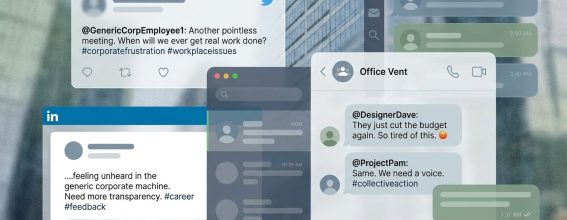
Low-Cost Ways to Improve Workplace Culture: A Practical Guide for Texas Small Businesses

April 16, 2026
Quick Article Summary
- Workplace culture is not built through expensive perks but through consistent leadership behaviors, communication, and accountability that cost little to implement.
- Small businesses can improve morale quickly by focusing on recognition, clarity, fairness, and communication, rather than large financial incentives.
- Employers who ignore culture often face higher turnover, lower productivity, and increased HR issues, all of which cost far more than proactive improvements.
Why Workplace Culture Matters More Than You Think
Many small business owners assume culture is something that only large corporations invest in. In reality, culture is already being formed every day — whether you intentionally shape it or not.
Culture affects:
- Employee retention
- Productivity and performance
- Customer experience
- Risk of complaints and disputes
When employees feel undervalued, confused, or treated unfairly, those issues eventually show up as turnover, poor performance, or workplace conflict. Improving culture does not require a large budget — it requires intentional management practices.
Start With Clear Expectations and Consistency
One of the fastest ways to improve culture is to eliminate confusion.
Employees perform better when they know:
- What is expected of them
- How success is measured
- What happens if expectations are not met
Many culture problems come from inconsistency. One employee gets away with behavior that another is disciplined for. One manager enforces rules while another ignores them.
To fix this, employers should:
- Clearly define expectations in writing
- Apply policies consistently across employees
- Follow through on discipline when necessary
Consistency builds trust. Without it, culture deteriorates quickly.
Recognize Employees — Without Spending Money
Recognition is one of the most overlooked and underutilized tools in small businesses.
Employees do not expect bonuses every week, but they do expect to feel seen and appreciated.
Low-cost ways to recognize employees include:
- Calling out good performance in team meetings
- Sending short, direct messages acknowledging effort
- Publicly recognizing milestones or achievements
- Thanking employees immediately after a job well done
Recognition must be specific and timely to be effective. A generic “good job” weeks later has little impact. Immediate, genuine recognition builds engagement without costing anything.
Improve Communication With Simple Structure
Poor communication is one of the biggest drivers of frustration in the workplace.
You do not need expensive systems to fix this — just structure.
Practical ways to improve communication:
- Hold short weekly check-ins with employees
- Set clear agendas for team meetings
- Follow up important conversations with written summaries
- Encourage employees to ask questions without fear
When employees feel informed, they feel more confident in their role. When they feel left out, confusion and resentment grow.
Give Employees a Voice (Without Losing Control)
Many business owners hesitate to ask for feedback because they fear losing authority. In reality, allowing employees to provide input strengthens culture when handled correctly.
Simple ways to gather feedback:
- Ask employees what is slowing them down
- Ask what would make their job easier
- Hold occasional one-on-one conversations focused on improvement
You do not have to implement every suggestion. But listening builds trust, and employees are more likely to stay engaged when they feel heard.
Address Problems Early — Not After They Escalate
One of the most damaging habits in small businesses is ignoring small issues until they become major problems.
When employees see problems go unaddressed, they assume:
- Management does not care
- Policies are optional
- Poor behavior is acceptable
Address issues early by:
- Having direct conversations when problems arise
- Documenting concerns, even informally
- Setting clear expectations moving forward
Early intervention is one of the most effective and lowest-cost ways to maintain a strong culture.
Create Fair and Transparent Time-Off Practices
Few things create more tension in a workplace than perceived unfairness around time off.
To improve culture:
- Use a consistent system for approving time off
- Communicate blackout dates or busy periods clearly
- Apply rules equally across employees
Fairness in scheduling and time off builds trust quickly. Inconsistency destroys it just as fast.
Train Your Managers — Even Informally
In small businesses, managers are often promoted based on performance, not leadership ability. This creates one of the biggest culture gaps.
You do not need formal training programs to improve management skills.
Start by teaching managers to:
- Communicate expectations clearly
- Handle conflict professionally
- Document issues consistently
- Treat employees fairly
A strong manager improves culture more than any perk or program ever will.
Build Accountability Into Your Culture
A positive culture is not just about being supportive — it is also about accountability.
Employees should understand:
- What happens when expectations are not met
- That performance matters
- That rules are enforced consistently
Accountability creates stability. Without it, high performers become frustrated and disengaged.
Small Changes That Make Immediate Impact
If you want quick wins, focus on these actions:
- Start recognizing employees daily
- Hold weekly check-ins with clear agendas
- Clarify expectations for each role
- Address one unresolved issue this week
- Standardize your time-off approval process
None of these require additional budget — but all of them improve culture almost immediately.
Why This Matters for Texas Small Businesses
For small businesses, culture is not a luxury — it is a competitive advantage.
You may not be able to outpay larger companies, but you can:
- Provide a better work environment
- Treat employees more consistently
- Communicate more effectively
These factors often matter more to employees than compensation alone.
How The Texas HR Experts at The Unit Consulting Can Help
At The Unit Consulting, we help Texas small businesses build strong workplace cultures without unnecessary overhead or complicated systems.
We work with employers to:
- Develop clear policies and expectations
- Train managers to lead effectively
- Improve communication and documentation
- Reduce turnover and workplace conflict
If your culture feels inconsistent or reactive, we can help you create a structured approach that improves performance and retention. Call the premier Texas HR outsourcing firm at The Unit Consulting today.